

TEAM ASSESSMENT
A connection doesn’t snap.
It comes undone, one fiber at a time.
Teams unravel the same way.
TEAM RESILIENCE
Can your team thrive under pressure?
Constant change, high stakes, and AI doing more of the thinking are quietly wearing your team down. Strong relationships counter these forces, providing the vitality, confidence, and trust that enable people to remain resilient.
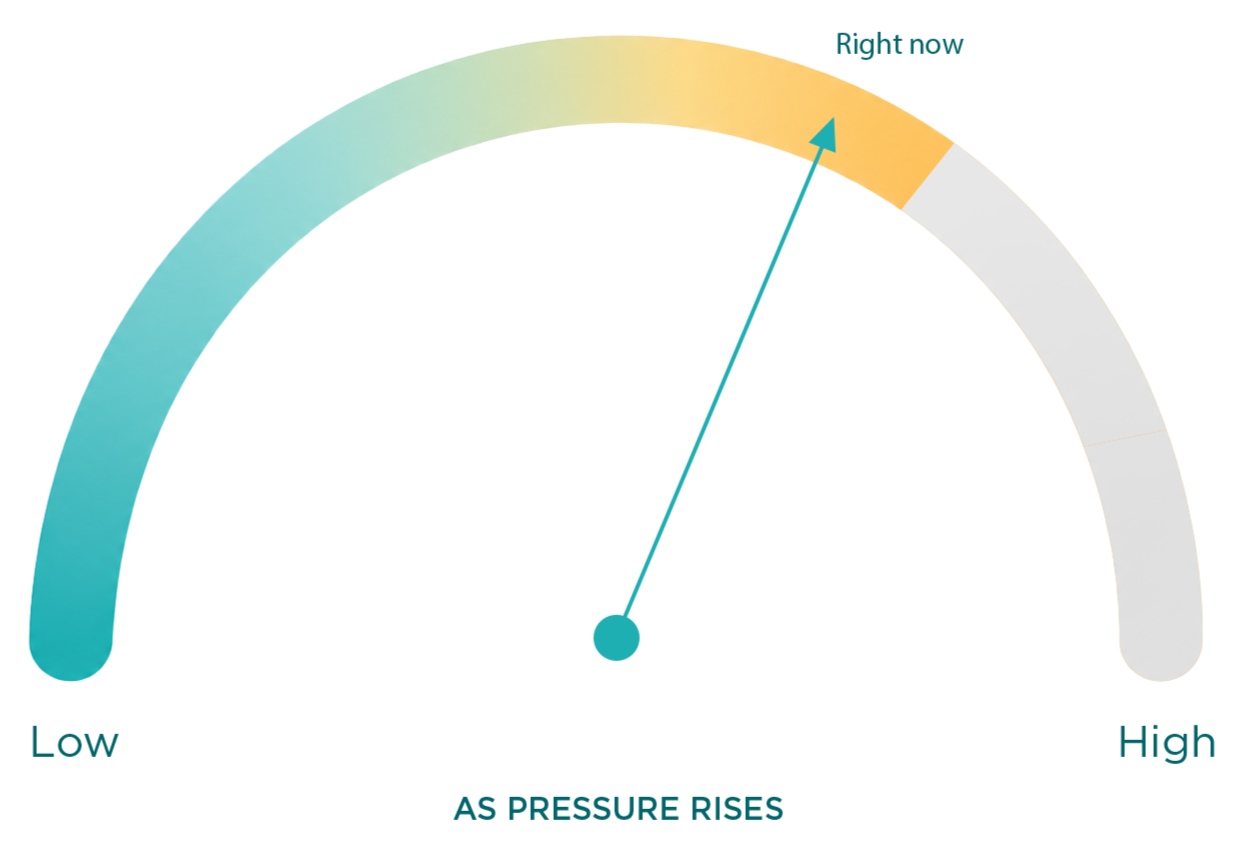
AI’s Effect on well-being
Frequent Al use predicts loneliness, insomnia, and after-work drinking (Tang et al., 2023)
Al-driven job insecurity erodes psychological safety and fuels knowledge hiding (Kim & Kim, 2024)
27% of employees in Al-adopting organizations say their workplace changed in disruptive ways to a large or very large extent in the past year (Gallup, 2026)
THE ARCHITECTURE
See how relationships
shape your team’s resilience
This assessment is built for the current moment. It explores how Al affects everyday processes, how VUCA (volatility, uncertainty, complexity, and ambiguity) complicates decision-making, and then explores how relational bonds are holding up in this era of ongoing change.

Process
How Al is reshaping processes
The team leader reports on how AI impacts team processes and whether those changes create friction, erode confidence, or surface problematic behaviors like quiet concealment around how AI tools are used.

Context
The conditions the team is operating inside
The leader reports on VUCA conditions affecting the team: volatility, uncertainty, complexity, and ambiguity. That input lets the coach read the relational data against the team's actual context rather than a generic backdrop.

Coverage
Every working relationship on the team
The approach balances assessment burden with statistical reliability. Every member rates others and is rated in turn. The lead joins the network and supplies the strategic context the coach uses to interpret the data.

Coach-Mediated
TEAM ASSESSMENT
Team assessments reveal how relationships across a group function as a system. Each person assesses their relationships. The paired data reveals dynamics that no individual viewpoint can access. A Certified Coach administers the full process and interprets results through a team-level session.
What it reveals
The cohort report shows whether a performance, safety, or culture problem lives in specific relationships or in the team’s relational norms. That distinction makes targeted interventions possible.
Measuring psychological safety
Identify the presence of relational behaviors that signal psychological safety, such as speaking up when it's easier to stay silent and treating disagreements as learning opportunities.

PSYCHOLOGICAL SAFETY
Psychological safety begins between two people.
Team psychological safety is a team-level construct describing a shared belief that a team is safe for
interpersonal risk-taking (Edmondson, 1999). The Anchor Relationships assessment measures relationship quality between two people, not psychological safety itself. The two are closely linked.
The behaviors that signal a strong relationship; asking for help, giving feedback, talking openly about mistakes, are the same behaviors research connects to team psychological safety. And these patterns look different when you are reporting up to a manager than when you are managing down to your team. Anchor Relationships measures both.
Research in focus: How team beliefs begin in relationships
Recent studies show that team psychological safety begins in how individual members experience their teammates one by one, and these perceptions vary meaningfully across a team (Lehmann et al., 2023; Verresen et al., 2026). Recent empirical research of teams and dyads emphasizes the relational roots of psychological safety: “Psychological safety is thus a fundamentally relational construct (Kenny et al., 2006) that ‘arises or dissipates based on the relational environment’ (Lehmann et al., 2023, p. 4)” (Verresen et al., 2026, p. 289).
Employees are ready for AI.
Team systems and structures are not.
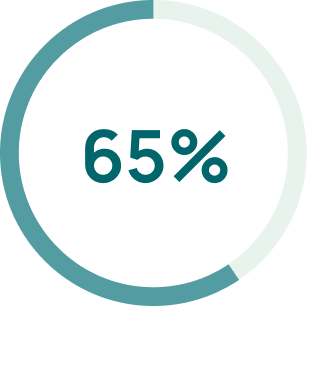
of workers fear falling behind if they don't adapt to Al quickly.
Microsoft Work Trend Index, 2026
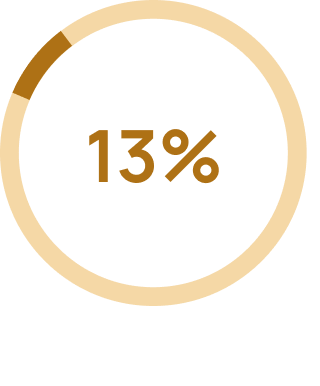
feel rewarded for reinventing how they work, even when results don't come right away.
Microsoft Work Trend Index, 2026
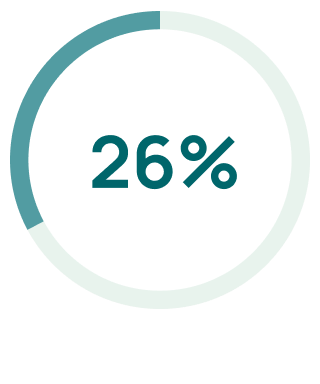
say their leadership is clearly and consistently aligned on Al.
Microsoft Work Trend Index, 2026
Also worth exploring
Individual Assessment
One relationship, three lenses
Before you deploy across the team, take the assessment yourself on one working relationship that matters. See in your own data what the team will see in theirs.

Relationship 360
Your relational portrait
Discover which of your closest working relationships strengthen your capacity under pressure and which quietly erode it. See where your courage, conviction, and clarity are being built or drained.